
The best local story in your parish may be sitting at a kitchen table, waiting for someone to ask the right question. An old farmer remembers the winter the river froze hard enough to drive the pigs across, tells it in four minutes, laughing — and you know it belongs in print. Then you write it down and the whole thing goes flat.
That gap between the spoken memory and the printed page is where most local stories are lost. Closing it is not luck. It is a set of small, learnable decisions about what you ask, how you listen, and what you keep.
Resist the urge to interview the whole village. One narrator and one thread will almost always beat six half-stories. Before you knock on the door, write down what you already know and what you actually want: the last woman who made cheese the old way, the man who drove the milk lorry before the road was tarmacked, the family who kept the mill turning into the 1960s.
Bring the ordinary tools — a notebook, two pens, a charged recorder — and something to look at together. A photograph, a seed catalogue, an old tool. Objects do more for memory than questions do. A hand sickle on the table will get you ten minutes you could never have asked for.
Decide, too, who should not be in the room. Well-meaning relatives correct, summarise and hurry the narrator along. If someone insists on staying, give them a job — making coffee, holding the photographs — and ask them gently to let the narrator finish.
Closed questions get closed answers. "Did you have tractors?" earns a yes, and the recorder runs on over silence. Ask for a scene instead, and let the narrator walk into it.
Save "why" for later; early on it sounds like an exam. And when the narrator drifts off the subject, follow for a while. The detour about a neighbour's dog often contains the one sentence you will end up quoting.
Put the recorder on the table between you, not in your hand, and test it by playing back thirty seconds before you begin properly. A phone is fine. Learn where its microphone sits so your fingers don't cover it, and keep cups and cutlery away from the table's edge — a spoon hitting a plate can swallow a whole answer.
Then get out of the recording. That means fewer murmured agreements, more silence, and no jumping in to finish sentences. Silence is the most productive thing you can offer: people fill it with the detail they were hesitating over. Keep a pen moving to mark the moments worth returning to. Write down names as they come and ask afterwards how they are spelled — in a month you will not remember whether it was Marlow or Marloe.
Don't settle for the first telling of a good story. Ask for it again from a different angle, and notice which details stay put and which wander. The ones that stay are usually the true ones.
Listen to the whole recording once without writing anything — while washing up, or walking. You are listening for shape, not words. Then listen again with a pen and mark the three or four passages that carry the story. It is often two minutes out of ninety.
Transcribe only those passages in full, plus the connective details you need. Type roughly, and keep the narrator's repetitions; they are rhythm, not error. Note where something happens that the page cannot show — a laugh, a long pause. Copy the phrases with texture in them exactly. One good phrase of theirs is worth three paragraphs of yours.
Almost every interview contains three stories and one theme. Pick one. Ask yourself what has changed by the end of the piece: a skill lost, a field drained, a season that no longer happens. That answer is your spine, and anything that does not touch it can go.
Then choose a beginning. Chronology — born here, married there — is the weakest opening available. Start where the story is warmest: the morning the river froze, the day the lorry came, the first time the narrator was allowed to take the horses out alone. Background can arrive later, in a sentence or two.
Long quotations in dialect are hard to read and harder to trust. Use two or three lines of direct speech where the voice is strongest, then paraphrase the rest plainly. Keep the grammar as it was spoken. Tidying everything into standard English is what makes a narrator sound like a leaflet.
On the recording, a shrug or a hand flat on the table does the work of a paragraph. On the page, describe it: the narrator's hands, the kitchen, the field beyond the window. That is not decoration. It is the equivalent of everything the tape held and paper cannot.
Before publishing, read the piece back to the narrator, or send it if reading is easier for them. Corrections usually improve the facts and often deepen the story. Agree what may be printed, particularly where living people, family disputes, money or land are involved. If you are unsure about permission, privacy or anything legal, ask someone qualified rather than guessing.
Do this a few times and the work stops feeling like journalism and starts feeling like what it is: a place keeping its own memory in ink. The recording will outlast the article, and the article may outlast the teller. Handle both accordingly.
Photo: jarmoluk / Pixabay

A practical guide to building vivid scenes, portraying rural people with care, and making setting do real narrative...
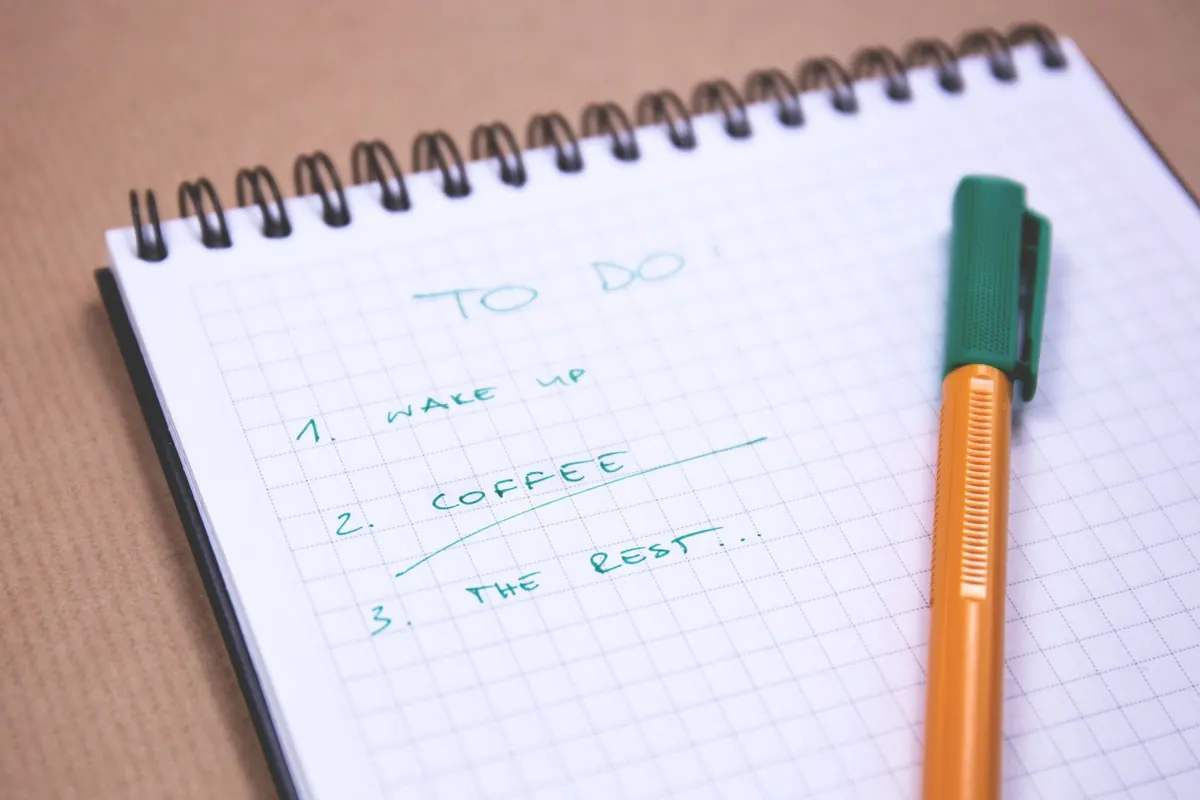
A twelve-question checklist for rural essays: verify the facts, sharpen the detail, treat neighbours fairly, and...
A practical, ethical method for gathering village memories — from the first knock on a neighbour's door to a...

Stories and notes from a country scribe.
