A blank page is hard. A page that already says “February: the trough froze, the hens wouldn’t come out” is much easier. That is the whole case for a seasonal writing calendar — not a strict timetable, but a row of hooks already baited with what you actually saw this week.
Country life runs on a calendar most people have stopped noticing. Chores cluster, weather reshapes a day, wildlife arrives and leaves on a schedule that has nothing to do with the one on a phone. Write to that schedule and the material comes to you, month after month, whether or not you feel inspired.
What follows is a working year: prompts for each season, exercises that hold up in any month, and a plain method for keeping the habit when nothing much seems to be happening. Nothing much is always happening in the country. That is usually the story.
Most writing about landscape fails because the writer waits for a big subject. In the country the subject is recurrence: the same gate, again, in different weather. A monthly page forces the comparison. You cannot write about the lane in January and the lane in June and stay vague for long.
Memory is no help here. A note made on the day, badly, in the cold, is worth ten recollected paragraphs written in comfort a year later. So keep one page per month and head it up the same way every time:
Four headings take a minute to fill. That is the entire discipline.
January. Winter is the best time to start, because the country is stripped back and slower than you are. Note where snow or frost lingers last — the north side of a hedge, the shaded corner of a field — and you will have drawn a small map of your own ground without meaning to. Frozen troughs, split logs, fencing put off since autumn. Fieldfares and redwings working the hedgerow berries; fox tracks in the mud by the gate.
February. Light is the story. Record, week by week, the time you can knock off outdoor work without a torch. Hazel catkins open; blackthorn may flower before its leaves; the first bumblebee of the year is worth a whole paragraph, and you will be surprised how precisely you remember it in November.
March. Mud, lambs, and noise returning. Write about the first day you work outside without a coat, then write the same walk again in the rain and notice what you missed the first time. The difference between those two entries is the beginning of a voice.
Spring arrives as sound before it arrives as colour — chiffchaff, then machinery, then swallows. This is the quarter where a note a day is easy and a page a week feels stingy.
April. Returning swallows and martins, hedges greening from the bottom up, seed trays on every windowsill, rain on a tin roof. Ten minutes at dusk with a notebook will give you more than an hour of trying to remember it later. List what you hear: a blackbird, a tractor on the far side of the hill, a gate, a dog two fields away.
May. Hawthorn in flower, cow parsley along the verges, bluebells in the wood, the first cut of the lawn. Write the smells — cut grass, silage, diesel, wet stone — and be honest about which ones you actually like.
June. The long evenings are a trap: it feels as though there is time later. There isn’t. Write at nine o’clock, while the light is still up, about whatever is unfinished. Elderflower, roses, midges at the door, washing that dries in an hour.
July. Heat changes the sound of a place. Everything goes quiet at midday and starts again at six. Watch water: levels in the stream, birds at the trough, the way dust rises off the lane behind a vehicle and hangs there. Write about the first ripe thing you eat from the garden, and the wasps that arrive the day after.
August. Harvest and stubble; the smell of a field cut and drying; swallows gathering along the wires in the evening, which is the beginning of goodbye whether you like it or not. Follow one job from start to finish — a bale moved, a fence line strimmed — and give it the space a full paragraph would take.
September. Dew and cobwebs on the gate, blackberries, apples in the grass, the first morning you want a jacket. Stack wood if you have it and write about the sound of it going into the shed. This is the month the year turns, quietly, and it is worth marking the exact day you notice it.
October. Leaf fall, hedge-cutting, ivy flowering for the late bees, the smell of rot and earth after rain. If you forage mushrooms, identify them properly before eating anything — a notebook is not a field guide — but write about them regardless.
November. Bare trees give you the shape of the land back. Mud, wet ground, short days, stock moved to shelter, water checked twice. Write the four o’clock darkness: what you can still do outside, and what has to wait until morning.
December. Frost, ice on puddles, birds at the feeder, a sun that never gets properly high. Make the year’s last entry a rereading. Go back to January and see what you got wrong about the place.
The useful question is not “what happened today” but “what is different from last month”.
Keep the calendar in one place: a single notebook, one page per month, the same four headings. Write in pen. Date every entry. Do not tidy anything up afterwards.
If you miss a month, start at the top of the next page rather than trying to go back and fill the gap. At the turn of each season, read the last three months and underline whatever still holds true. The aim is not finished essays; it is a record specific enough that in a year’s time you can write about this place as though you were standing in it. The same gate, described twelve times, will teach you more about writing than twelve new subjects ever will.
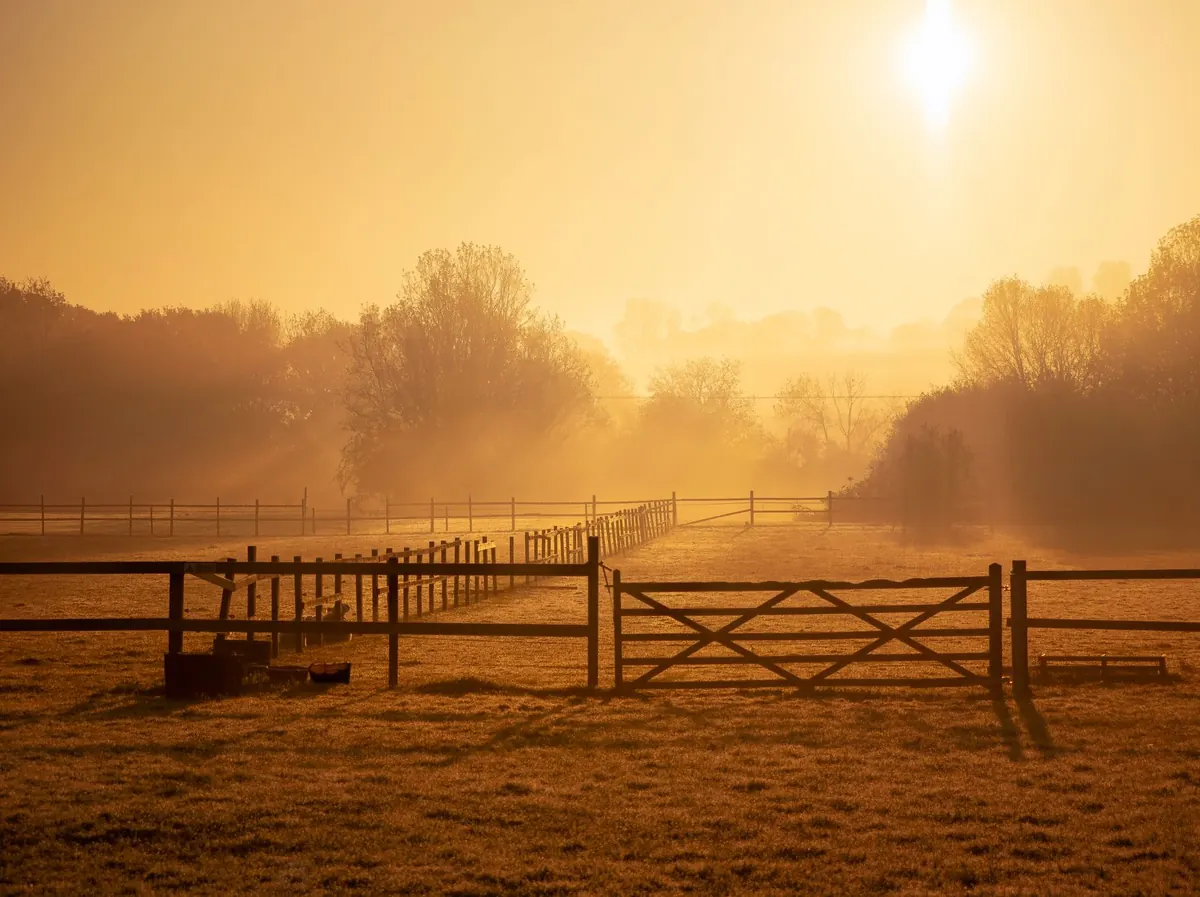
Photo: William Warby / Pexels

A practical guide to building vivid scenes, portraying rural people with care, and making setting do real narrative...

A twelve-question checklist for rural essays: verify the facts, sharpen the detail, treat neighbours fairly, and...

A practical, ethical method for gathering village memories — from the first knock on a neighbour's door to a...


Stories and notes from a country scribe.
